The Evolution and Impact of the Slot Machine: A Comprehensive Overview
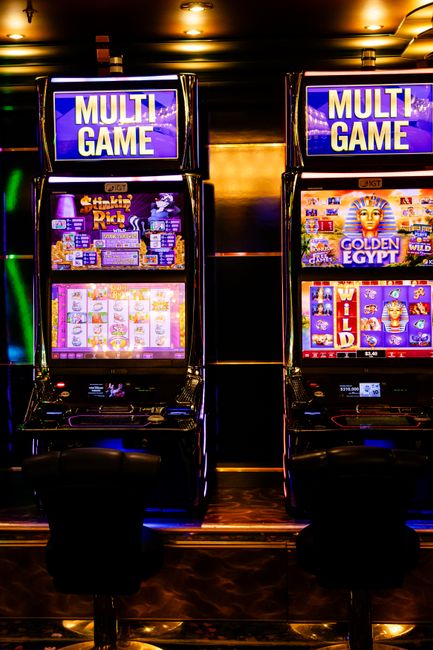
Introduction to the Slot Machine Phenomenon
The humble slot machine, often simply referred to as a 'slot,' stands as one of the most enduring and universally recognized symbols of gambling culture. Originating in the late 19th century, the first mechanical slot machine—the Liberty Bell, created by Charles Fey in 1895—was a simple contraption with three spinning reels and a handful of symbols. Today, the slot has evolved into a multi-billion-dollar global industry encompassing both physical machines in casinos and digital platforms accessible from anywhere. This article delves into the mechanics, psychological appeal, regulatory landscape, and modern innovations that define the slot experience, while also examining the term's broader usage in contemporary gaming.
How Slot Machines Work: From Mechanical to Digital
At its core, a slot machine is a game of chance. Traditional mechanical slots used gears, springs, and levers to spin reels, with outcomes determined purely by physical forces. However, since the 1980s, nearly all slot machines have operated using a Random Number Generator (RNG)—a computer program that produces thousands of random sequences per second. When a player presses the spin button, the RNG stops at a specific combination, determining the result. This shift to digital RNGs allowed for more complex game features, such as multiple paylines, bonus rounds, and progressive jackpots. Modern video slots can have five or more reels, hundreds of paylines, and immersive themes ranging from ancient Egypt to blockbuster movies. The 'slot' has become less about physical mechanics and more about software engineering, yet the core thrill of unpredictability remains unchanged.
The Psychology Behind the Slot Appeal
Why do players gravitate toward slot machines? Psychologists point to the phenomenon of 'variable ratio reinforcement,' a principle where rewards are delivered unpredictably. This intermittent reinforcement creates a powerful dopamine response in the brain, encouraging repeated play. The sensory feedback—flashing lights, celebratory sounds, and haptic vibrations—intensifies this effect. Additionally, the low entry barrier (often pennies per spin) and the potential for life-changing jackpots make slots uniquely accessible. However, this accessibility also raises concerns about problem gambling, as the rapid pace of play can lead to significant losses over time. Casinos strategically place high-limit slot areas near entrances and seating areas to maximize exposure, while online platforms use algorithms to offer near-misses and bonus triggers, further entrenching player engagement.
Types of Slot Games and Their Features
The term 'slot' today encompasses a vast array of game types. Classic slots, with three reels and fruit symbols, evoke nostalgia and simplicity. Video slots dominate modern casinos, offering intricate storylines, animated graphics, and interactive bonus games. Progressive slots are particularly alluring because they link a portion of each bet to a pooled jackpot that can reach millions. Meanwhile, mobile slots have surged in popularity, allowing players to spin from their phones. Many online platforms now offer 'live slot tournaments,' where players compete in real time for prizes. A significant aspect of modern slot culture is the 'return to player' (RTP) percentage, which indicates the theoretical long-term payout. For instance, a slot with a 96% RTP will return $96 for every $100 wagered over millions of spins, though short-term variance can be extreme.
Regulation and Responsible Gaming
Given the high-speed nature of slot gambling, regulatory bodies worldwide enforce strict standards to ensure fairness and prevent addiction. In jurisdictions like the United Kingdom, the Gambling Commission mandates that all slot games display RTP values and include features like time-out options and deposit limits. In the United States, slot regulation varies by state, with Nevada, New Jersey, and Pennsylvania being major hubs. However, the rise of offshore online casinos has complicated enforcement. For players, understanding that slot outcomes are purely random—and that no strategy can influence results—is crucial. Many advocates for responsible gaming recommend setting strict loss limits and taking frequent breaks. For those seeking more information or support, resources like the National Council on Problem Gambling provide assistance.
The Future of Slot Gaming
As technology advances, the slot continues to evolve. Virtual reality (VR) slots are emerging, creating immersive 3D environments where players can walk through virtual casinos. Blockchain-based slots offer provably fair gaming, where players can verify randomness publicly. Augmented reality (AR) slots may soon overlay digital elements onto physical slot machines. Yet, the core allure remains the same: the chance to win big with a simple spin. Whether in a glittering Las Vegas casino or on a smartphone during a commute, the slot machine remains a testament to human fascination with risk and reward. For those interested in exploring a curated selection of slot games and related products, consider visiting slot for additional insights and community discussions.
Conclusion
From its mechanical origins to its digital dominance, the slot has cemented itself as a cultural and economic powerhouse. Its mechanics, grounded in randomness and psychological reward systems, continue to captivate millions worldwide. While the industry faces ongoing challenges related to addiction and regulation, innovation in gaming technology and responsible gaming practices offers a path forward. Whether you are a casual player or a seasoned enthusiast, understanding the history, mechanics, and future of the slot enriches the experience. Ultimately, the slot machine is more than a game—it is a reflection of our desire for instant gratification, the thrill of uncertainty, and the timeless hope of hitting that elusive jackpot.